Showing posts with label Mexican. Show all posts

Wednesday, January 21, 2015

"EVERYDAY" SALSA: SALSA CASERA


Salsa casera (or ranchera) mean house salsa (or ranch salsa) in Spanish. This is the beloved day-to-day homestyle salsa that is so easy to make and tastes great with everything. There are as many varieties of salsa casera as there are Mexican households... everyone makes it ever so slightly differently, depending on personal taste, tradition, chiles available, etc. It's sometimes made with a mix of tomatillos and tomatoes, or with roasted fresh chiles serrano/jalapeño/de arbol/cayenne instead of dried. Sometimes with chiles pequin added to take the heat up a notch, sometimes without cilantro, sometimes with Mexican oregano. However you make it, you can't go wrong with this salsa. It's quite basic, fresh, and herb-y.


Salsa Casera
makes: ~1-1/2 cups

- 1 lb. ripe tomatoes
- 4 cloves garlic
- 5 - 8 chiles de arbol (or cayenne, commonly used in India)
- 1/2 white onion, unpeeled
- 1 large handful cilantro, leaves and tender stems
- 2 tbsp. distilled vinegar
- 1 tbsp. salt
  1. Put the onion cut side down and the unpeeled garlic in a pan. Dry-roast on medium until the garlic is softened somewhat, charred in places, and the cut side of the onion is mostly charred. Peel the garlic and onion and place in a food processor jar.
  2. Boil water in a pan large enough to hold the tomatoes. Cut a cross on the top (stem side) of the tomatoes and put into the water. Bring to a boil and turn off the heat. Allow to cool and peel the tomatoes. Transfer to the food processor.
  3. Add the remaining ingredients and pulse into a salsa - don't blend into a soup! Adjust salt and lime to taste.
  4. Serve immediately or refrigerate for up to a week.

Monday, January 19, 2015

SUPER HOT PEANUT SALSA: SALSA MACHA


Macho/macha in Spanish means brave. And this is truly a salsa for the brave... it's fiery but so addictive that you'll want to ignore your blazing tastebuds as you reach for *justonelastbite*. This feisty salsa is easy to make and conveniently, it goes with everything! I keep it around in the fridge because who knows when the urge will strike to dip a few tortilla chips into it to go with a cold beer?! Or to have it over eggs, or simply with a couple of hot tortillas. Or with tamales as in the photo below.

The guajillo chile is a smoky fruity chile that isn't that high on the heat but is sultry and has a gorgeous dark red, almost brown colour. If you don't have guajillos, it's ok... you'll have a brighter coloured salsa, still just as delicious. Enjoy!


Super Hot Peanut Salsa: Salsa Macha
makes: 1 cup

- 1 cup roasted peanuts (skinned or unskinned, salted or unsalted)
- 10 - 12 chiles de arbol, (or cayenne, commonly used in India)
- 2 chiles guajillo (optional)
- 2 tbsp. white or black sesame seeds
- 3 - 4 cloves garlic
- 1 lime/lemon, juiced
- 2 tsp. salt (1 tsp. if using salted peanuts)
- 1/4 cup peanut oil (or olive oil)
- 1/4 - 1/2 cup water, to adjust consistency
  1. Dry-roast the guajillos (if using) in a pan until fragrant and transfer into a bowl of hot tap water to soften for about 15 - 20 minutes while you do other things.
  2. Dry-roast the sesame seeds in a pan. Transfer to a bowl.
  3. Dry-roast the chiles de arbol (or cayenne) until fragrant - be careful not to burn or they'll taste bitter - then transfer into a bowl.
  4. Dry-roast the garlic until the it's blackened in spots and softened a bit, about 7 - 10 min.
  5. Drain, stem, and de-seed the guajillos - discard the soaking water. Put all the ingredients except water in a blender or food processor and blend well. Add water, 1/4 cup at a time to adjust consistency (sometimes I leave it thick to use as a spread, and other times I add water to make it more of a dip).
  6. Adjust salt and lime to taste and serve immediately or store in the fridge for up to a week.

Sunday, July 6, 2014

TACOS: CACTUS AND ROASTED POBLANO CHILES (NOPALES Y RAJAS POBLANAS)


Rajas poblanas (RRAa-has poblanas) are strips of roasted chile poblano (photo below), which range from mild to spicy. I love having the smoky flavour of the roasted chile and the surprise spice in a random bite of a taco! They're a classic in tacos but equally fantastic mixed in with beans, added to soups, as a filling for enchiladas/enfrijoladas/enguacatadas, on salads, nachos, on the side with eggs, in an omelette, or in sandwiches.


Fresh unripe poblanos are a deep gorgeous green, and turn into a fiery red when they ripen. Dried poblanos are called chile ancho, and are ubiquitous in most Mexican moles. Rajas poblanas is also a Mexican dish made with chile poblano rajas mixed with crema (Mexican sour cream), onions, and sometimes chicken. It's slightly rich, but one of my favourite Mexican dishes. In addition to tinga, posole, chile colorado, alambres, and all my other Mexican favourites!


Nopales, or cactus, is a very common ingredient in Mexican cuisine. In any good Mexican market you'll find either whole cactus paddles with thorns that you take home and clean and trim yourself, or bags of cleaned, trimmed, and diced cactus ready to cook. I usually get the cleaned and diced cactus because it's a time saver. Cactus can be cooked diced or  the whole cleaned and trimmed paddle can be roasted/grilled. And along with whole roasted jalapeños and spring onions, it's an excellent accompaniment to steak!


Tacos: Cactus and Roasted Poblano Chiles (Nopales y Rajas Poblanas)
makes: 6 tacos

- 1/2 cup salsa: salsa verde (recipe here and here) or roasted tomato salsa
- 2 cups cleaned and diced cactus
- 1 chile poblano, washed
- 1/2 medium onion, diced
- 2 cloves garlic, minced
- 1 tbsp. olive oil
- 2 tsp. salt
- 12 small corn tortillas (ask the store for tortillas for tacos, which are smaller)
- 8-10 sprigs cilantro (1/4 cup coarsely chopped)
- 1/4 cup finely shredded purple cabbage (or red or green cabbage)
- 1 lime, cut into wedges

Optional garnishes: finely shredded carrots, sliced avocado, onions, jalapeno, pickled vegetables "en escabeche"

  1. Cook the cactus: Bring water to a rolling boil in a large pan. Add the cactus and boil for about 15 minutes, or till the cactus is soft. Don't overcook the cactus till its mushy or you'll have a panful of slimy green pieces! Drain the cooked cactus and set aside. 
  2. While the cactus is boiling, roast the chile poblano over an open flame or in a cast-iron pan until its charred on all sides. Remove from the heat and put it in a covered bowl for 15 minutes. Remove the charred and softened skin, rinsing off any residue. Cut the chile into half and discard the seeds. Cut the roasted chile into strips - "rajas" in Spanish. 
  3. In a pan, heat the olive oil and add the onion and garlic. Sauté until translucent then add the cooked cactus and salt. Sauté for a few minutes till heated through. 
  4. Transfer the chile poblano strips (rajas) and cactus into serving bowls. Arrange the cabbage, cilantro, and any optional garnishes in a platter. Warm the tortillas. 
  5. Assemble the tacos: divide the tortillas among plates, stacking 2 per taco. Top with the rajas and cactus, cilantro, and cabbage. Drizzle 1 tbsp. each of the chipotle cashew cream sauce and salsa on each taco. 
  6. Serve immediately with a wedge of lime, additional salsa, cashew cream sauce, and optional garnishes.

Wednesday, July 2, 2014

TACOS: ZUCCHINI FLOWERS AND FIDDLEHEAD FERNS


Zucchini flowers are most commonly served stuffed and fried. They're delicious that way, but the beautiful colours of the flowers are hidden under the batter and for me, food is about taste and looks. Not fake gimmicky presentations but just the natural good looks of fresh seasonal ingredients. Like the pretty zucchini flowers and ferns in these tacos!


Fiddlehead ferns are the unopened tips of Ostrich ferns that would turn into fronds when they open. They have a very short season in the Spring and don't last too long in the fridge so it's best to get some when you see them in the market (or in the wild if you know how to forage for the right kind of fern), and enjoy them right away, in a day or so at most. Fiddleheads upset some peoples' stomachs but they don't bother me at all. I don't like boiling them because that takes away the texture and taste. So I roast them and they're just perfect!


Zucchini flowers and fiddleheads are quite simple to clean. Zucchini flowers: Remove the pistil and stem from each zucchini flower and gently rinse each flower inside and out. Put the washed flowers on a large dry kitchen towel to soak up water.

Fiddlehead ferns: Remove the outer chaff - brown papery skin - from the ferns and rinse thoroughly. During rinsing remove any remaining chaff and put the washed ferns in a large dry kitchen towel to soak up water. 


These tacos are full of spring flavours and colours! And they go with virtually any salsa, including salsa verde with chiles de arbol, avocado and roasted tomatillo salsa, spicy roasted tomato salsa, guacamole, or even just sliced serranos, avocado, onion, and lime juice.


Tacos: Zucchini Flowers and Fiddlehead Ferns
makes: 6 tacos

- 1/2 cup salsa: salsa verde (recipe here and here) or roasted tomato salsa
- 1 cup fiddlehead ferns, cleaned and washed
- 10 - 12 zucchini flowers, pistils removed and wiped cleaned with a damp towel
- 1 small zucchini, cut into small cubes
- 1/2 medium onion, diced
- 2 cloves garlic, minced
- 3 tsp. olive oil
- 2 tsp. salt
- 1 tsp. paprika
- 1 tsp. cumin
- 1 tsp. Mexican oregano (Italian or Greek will do if you don't have Mexican)
- 12 small corn tortillas (ask the store for tortillas for tacos, which are smaller)
- 8-10 sprigs cilantro (1/4 cup coarsely chopped)
- 1/4 cup finely shredded purple cabbage (or red or green cabbage)
- 1 lime, cut into wedges

Optional garnishes: finely shredded carrots, sliced avocado, onions, jalapeno, pickled vegetables "en escabeche"
  1. Preheat the oven to 400 F/200 C. Lightly grease a baking tray or line with parchment paper.
  2. Toss the cleaned fern heads with 1 tsp. olive oil, 1 tsp. salt, and paprika. Transfer to the prepared baking tray and roast for 15 min., turning once midway. Remove from the oven.
  3. In a pan, heat the remaining 2 tsp. olive oil and add the onion and garlic. Sauté until translucent then add the zucchini, cumin, oregano, and salt. Cook till the zucchini is slightly soft and add the zucchini flowers. Stir the flowers in, and sauté for a minute. Turn the heat off.
  4. Prep the tacos: Transfer the roasted fern heads and sautéed zucchini and flowers into serving bowls. Arrange the cabbage, cilantro, and any optional garnishes on a platter. Warm the tortillas.
  5. Assemble the tacos: Divide the tortillas among plates, stacking 2 per taco. Top with the roasted fern heads and sautéed vegetables, cilantro, and cabbage. Drizzle 1 tbsp. each of the chipotle cashew cream sauce and salsa on each taco.
  6. Serve immediately with a wedge of lime, additional salsa, cashew cream sauce, and optional garnishes.

AVOCADO AND CARROT DIP


This dip comes together in a snap, and freezes really well, so it's a great way to use ripe avocados before they lose it! I'm not sure how I thought of adding carrots to my guacamole but I did, and loved it. So that's how I make it now... but technically it's not guacamole so I call it avocado and carrot dip instead. Regardless, it's totally delicious, refreshing, healthy, and tastes great no matter what you serve it with. I like it with tacos or a few different salsas and chips, or in warm tortillas like a taco, or with roasted vegetables. I very often use it in place of salad dressing - a large dollop of this dip is excellent on a salad.

Hope you all like it as much as I do!


Avocado and Carrot Dip
makes: 3 cups

- 3 ripe avocados
- 1 large carrot (or 2 small ones), cut into chunks
- 3 garlic cloves
- 1/2 white onion, cut into 3-4 large chunks
- 15-20 cilantro sprigs
- 2 serrano chiles, finely chopped
- 1 lime, juiced
- 1 tbsp. sea salt
- 1 roma tomato, finely chopped (optional)
  1. In a food processor, process the carrot, garlic, onion, and cilantro to a medium dice.
  2. Cut the avocados in half, remove the pits, and scoop out the flesh.
  3. Add the avocado flesh, salt, lime juice, and serranos to the food processor with the other diced vegetables. Process to a chunky-ish consistency till the avocado is mixed in, but don't make a paste! Stir in the chopped tomatoes if using. Taste and adjust the salt and lime.
  4. Transfer to a bowl and serve with tacos, chips, tortillas, crudités, crackers, or roasted vegetables. Store leftovers in the fridge up to 3-4 days, or freeze.

CHIPOTLE CASHEW CREAM SAUCE: CAN'T EAT DAIRY, NO PROBLEM!


Roasting brings out the nutty flavour in cashews, but raw cashew nuts are mild and take flavours so well that they create the most creamy and delicious dairy-substitutes I've had! Whether it's cultured cashew cheese, cinnamon and nutmeg laced cream to top your fruits, or this delicious and smoky chipotle sauce that goes with oven-baked "fries", stirred into soups, and with Mexican food like tacos.


Chipotle Cashew Cream Sauce
makes: 16 oz.

- 1/2 cup raw cashew pieces (~3/4 cup raw whole cashews)
- 1 medium clove garlic, peeled
- 1/2 lemon
- 1 tsp. salt
- 1 tbsp. chipotle powder
- 1 tsp. crushed red pepper
- 1 tbsp. nutritional yeast
- 3/4 cup water
  1. Soak the cashews for 30 min. - 8 hrs. in enough water to fully submerge them.
  2. Drain the cashews and discard the soaking water.
  3. Put all the ingredients in a blender jar in the order they are listed above.
  4. Blend into a creamy sauce, adding more water if needed to get a sauc-y consistency.
  5. Store in the fridge for up to 2 weeks.

Thursday, June 26, 2014

SPICY ROASTED TOMATO AND CHILE SALSA: SALSA QUEMADA


Burnt (roasted) salsa. Or salsa quemada (kay-maada), in Spanish.

If you know me, you know my vast love for Mexican food. It's endless and untiring. Combined with my equally endless and untiring love for spicy sauces and condiments it means you're sure to find a slew of dips, sauces, salsas, and pestos in my fridge at any time! I love making salsas because they're so flavourful and versatile - they go with everything. I usually have a couple of different types in the fridge - they're great when I want to put together a quick rice and bean bowl with roasted vegetables for lunch or a couple of tacos for dinner when I'm famished. 


This salsa, like most salsas, is very easy to make and tastes better the longer it sits. It's great with chips, tacos, on a bowl of beans and rice, roasted vegetables, eggs, steak, chicken, with hot fresh corn tortillas, empanadas, pretty much anything... so dig in!


Spicy Roasted Tomato and Chile Salsa: Salsa Quemada
makes: ~ 2 cups

- 8 chiles de arbol
- 2 chiles guajillos
- 4 - 5 ripe Roma tomatoes
- 1/2 white onion
- 3 cloves garlic, unpeeled
- 1/4 bunch cilantro
- 1/2 lime, juiced
- salt, to taste
- 3/4 cup hot water
  1. Toast the chiles briefly in a a cast-iron or other skillet over medium-low heat until they're aromatic and slightly change colour. This should only take a minute or less... try not to blacken them — burnt chiles add an unpleasant bitterness to the salsa. Transfer the toasted chiles into a bowl and cover them with hot water. Let them sit while you roast the rest of the vegetables.
  2. Turn the heat to medium and put the tomatoes, garlic, and onion (cut side down) into the skillet. Turn the vegetables every few minutes to roast them evenly.
  3. Remove the garlic when it has a few brown spots. Remove the onion when it's nicely charred on the cut side, and slightly softened. Let the tomatoes roast until they're soft and blackened in spots. The skin will start to peel and the tomatoes may crack slightly and release some juices. It's ok.
  4. Turn off the heat and let the tomatoes cool. Remove any loose or blackened skin - it should come off easily. Peel the garlic, cut the onion into 2 - 3 chunks. Drain the water from the chiles.
  5. Add the chiles, tomatoes, garlic, onion, cilantro, salt, and lime juice to a blender and pulse until smooth. Adjust salt to taste before serving.
  6. Serve at room temperature or store in the fridge for a week. If it lasts that long!

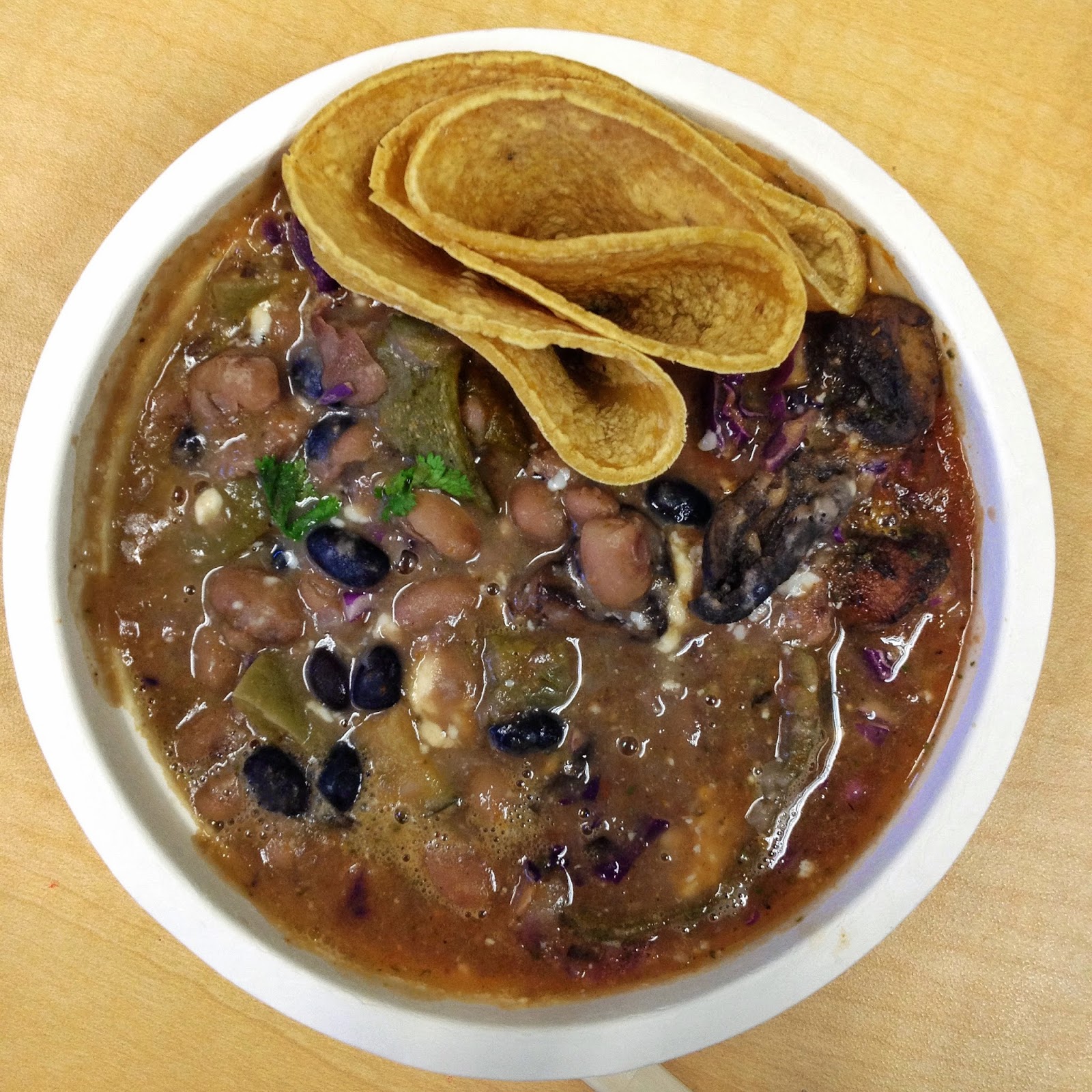
MEXICAN BEANS: FRIJOLES DE OLLA


Frijoles de olla: free-HOLays de Oyya

An olla is a clay pot used for cooking soups, stews, and beans in Mexico. For these beans you can use a regular deep stockpot or Dutch oven or the faster way that I use: a pressure cooker. Traditionally, beans are also cooked with lard but I never have lard at home and I don't want to buy some just for the beans. So I cook them in oil and they're just fine. If I were using bacon for something, I'd render fat from bacon and use that and the beans would have a mind-blowing lard-y flavour. If you have good real lard in your kitchen, definitely use that to cook these beans!


The beans are not only a side dish, but can be used for so many other dishes: enfrijoladas, borracho or "drunken" beans, ranch-style beans, refried beans, bean soup, and on top of rice or nachos.


In the north and central parts of the country, pinto beans are popular, whereas black beans are more commonly served in the south. I had a bit of both, so I mixed them and I love the outcome.


Mexican Beans: Frijoles de Olla

makes: 8 - 10 servings


- 2 cups dried pinto beans, soaked overnight and drained 
- 1 cup black beans, soaked overnight and drained
- 1 medium white onion, peeled and chopped 
- 2 large garlic cloves, peeled and chopped 
- 2 tablespoons olive or vegetable oil
- 2 sprigs epazote (optional) 
- enough water to cover the beans by 1 inch 
- salt to taste

Garnishes: chopped onions, crumbled cotija cheese, sliced jalapeños, serranos, or chiles de arbol, chopped cilantro, lime wedges, chopped cabbage
  1. Place the beans in the pressure cooker with the onion, garlic, oil, epazote and water. Do not add salt until the beans have finished cooking. Cover and pressure cook until done. Add salt to taste.
  2. Transfer the beans to a serving bowl. Set out the garnishes on the table so each person can garnish to taste.

Thursday, June 12, 2014

SALSA VERDE WITH CHILES DE ARBOL


Chiles de arbol - fresh and dried - are very similar in appearance to cayenne chiles, which are typically used in Indian cooking, although the flavours of both chiles are somewhat different. Chiles de arbol are a bit woodsy and smokier than cayennes.

As a side note, in Gujarati, dried cayenne chiles are referred to as "vaghaar na marcha" - chiles used for tempering. We also pickle fresh cayenne chiles with mustard or lime, or eat them raw with a meal, sometimes dipped in salt before each bite. If you cannot find chiles de arbol in a store near you, you can use cayenne chiles for this salsa.


This spicy salsa is really easy to make and will no doubt become a regular in your fridge! It's great with chips, on tacos and enchiladas, as a simmer sauce, over baked/grilled meat or fish, with poached eggs, and - as shown above - even as a poaching sauce for eggs (thin it a bit with water first).

You can make it as spicy or mild as you want. To make it spicy, leave the seeds in the chile pods. To make it mild, break the chiles in half and shake out the seeds before roasting. Either way, it's a really delicious sauce!


Salsa Verde with Chiles de Arbol
makes: ~2 cups

- 8 - 10 chiles de arbol
- 5 medium tomatillos, husks removed, and washed well
- 1/2 medium onion (don't chop it)
- 2 cloves garlic, unpeeled
- 1/2 ripe avocado
- 1/4 bunch cilantro (15 - 20 stalks)
- 2 tsp. salt
- 1 lime, juiced
- 2 cups water

  1. Heat a cast-iron or other heavy skillet. Fill a bowl or lidded container with 1 cup of the water.
  2. Remove the stems of the chiles and toast on the skillet, stirring frequently to keep them from burning. Once the chiles smell fragrant and are lightly browned, remove from the heat and transfer to the container of water. Cover and let the chiles soak while you prepare the other ingredients.
  3. Put the tomatillos, garlic, and onion (cut side down) in the hot skillet and roast, turning once or twice. Once the tomatillos are charred in spots and soft, the garlic is charred in spots, and the cut side of the onion is somewhat blackened, turn off the heat and leave to cool.
  4. Peel the garlic, cut the onion and avocado into 2-3 large pieces, and drain the chiles.
  5. Add the chiles, tomatillos, peeled garlic, onion, avocado, cilantro, salt, lime juice, and 1/2 cup water to a blender jar. Blend till you have a thick salsa (if you want a thinner salsa, add the other 1/2 cup water). Taste and adjust salt and lime.
  6. Store in the fridge up to 3-4 days.

Tuesday, April 29, 2014

ENGUACATADAS: LIKE ENCHILADAS, FOR AVOCADOS


The recipe for this sauce is from my friend Oscar's mum. I got a whole new perspective on Mexican food after I met him. In fact, until I met him I had never heard of enguacatadas and enfrijoladas. Oscar and I both love food, drinks, and cooking, and when I lived in Chicago we were always up for trying a new restaurant or bar in town.

Enguacatadas - like enchiladas - are typically filled with cheese or chicken. But I create my own vegetarian fillings and they're still amazing thanks to the incredible flavour of the sauce itself. Go easy on the spice in the filling because you really want the sauce to overarch the flavour of the dish rather than the filling or the cheese on top. Serve sliced jalapeños on the side for added spice at the table.

Enguacatadas - unlike enchiladas - are not ubiquitous. You won't see them on a restaurant menu or on a website or online cookbook, I'm not sure why. But make this recipe and enjoy the velvety avocado sauce!

Enguacatadas: "Enchiladas" in an Avocado Sauce
Makes: 12 enguacatadas

Sauce:
- 3 ripe avocados, peeled and cut into chunks
- 3 jalapeños
- 2 cloves garlic
- 1 tsp. salt (use really good quality salt, as always)
- 1 tsp. avocado oil (or olive oil)
- 1-2 limes, juiced
- 3 tomatillos, roasted (optional)

Filling:
- 1 shallot, diced
- 2 cloves garlic, minced
- 2 medium zucchini, diced
- 1 cup peas, cooked (defrosted if using frozen cooked peas)
- 8 oz. crimini mushrooms, sliced (or any other kind of mushroom)
- 1 tsp. Mexican oregano (Italian or Greek will do in a pinch)
- 1 tbsp. crushed red pepper
- 1 tsp. cumin powder
- 1 tsp. salt
- 2 tbsp. avocado oil (or olive oil)
1/4 cup cilantro, coarsely chopped
- 1 lime, juiced

Tortillas:
- 12 small corn tortillas (aka tortillas para enchiladas in some stores)

Topping (optional):
- 2 tbsp. black sesame seeds or
- 3/4 cup queso fresco, queso cotija, mild goat cheese, or shredded paneer (it's close to queso fresco)
  1. Sauce: Roast the 3 jalapeños over a direct flame or in a pan without adding oil, until the skin is mostly black. Immediately put the hot jalapeños in a container and cover. Set aside for 10 minutes or so. After 10 minutes, remove the stem and peel the peppers - the skin should come right off. Give the roasted peppers a quick rinse to get rid of any loose skin. While rinsing, split them open and wash off the seeds. 
  2. Blend the roasted jalapeños, avocados, garlic, salt, lime, tomatillos if using, and just enough water to make a sauce in which you can dip a tortilla. The sauce should be thin enough to dip a tortilla in, but thick enough to coat the tortilla well without running off.
  3. Put the sauce in a pan with the oil and heat to a simmer - do not boil. Transfer the sauce into a shallow tray large enough to dip a tortilla in, and set aside while you make the filling.
  4. Filling: In a pan, heat the avocado oil over medium heat. Add the shallot and garlic, sauté till translucent and soft but not browned. Add the mushrooms and sauté till the mushrooms are soft. Add the zucchini and cook till just soft, not mushy. Add the cumin, oregano, salt, and peas and cook until the vegetables are heated through. Turn off the heat, stir in the lime juice and cilantro, and set the filling aside.
  5. Tortillas: Heat a skillet on medium-high heat and very quickly heat a tortilla on both sides to make it soft and pliable so it doesn't break. Dip the hot tortilla very quickly in the avocado sauce. Put the dipped tortilla on a plate and put 1-2 tbsp. of the filling in the centre. Wrap the sides of the tortilla around the filling like in an enchilada. Put the filled tortilla (enguacatada by now) seam side down on a plate and sprinkle a pinch of sesame seeds or a scant 1 tbsp. cheese over it.
  6. Repeat with the rest of the tortillas and serve with extra sauce. Enguacatadas!

Wednesday, July 3, 2013

ROASTED TOMATILLO AND AVOCADO SALSA/SAUCE

Variety Mexican food is the spice of life.

It, among a few other cuisines, is comfort food to me. Or hangover food. Or hunger food, or party food, or anytime food. I especially love the thousands of different moles and salsas (sauces). Made with fruits, vegetables, chiles, tomatoes, tomatilloes, jitomates, guajes, seeds, nuts, legumes - the list of combinations is endless! You can pretty much blend anything in a Mexican kitchen and it's a mole or a salsa. Or sometimes a beverage.

Too much fun in the kitchen with all the colours and flavours, but here's an easy one to spice things up. Use this as a salsa, sauce for entomatadas (like enchiladas but in a tomato-based sauce rather than a chile-based sauce), as a salad dressing, over roasted vegetables, tamales, eggs, fish, or chicken, mixed into rice as a side dish, or however else you want! Because you won't be able to stop eating it!


Roasted Tomatillo and Avocado Salsa/Sauce
Servings: makes 3 cups

- 10 medium/12 small tomatillos, papery husk and stem removed, rinsed
- 2 medium/3 small shallots, unpeeled and separated (or 1 small white onion, halved)
- 4 medium/6-8 small cloves garlic, skin on
- 1 serrano pepper
- 1 ripe Reed avocado or 2 Hass avocados
- 1 lime, juiced (or more if you want it really tart)
- 1/2 bunch or more cilantro
- 1 tsp sea salt (I use Himalayan salt for everything)


- 1 cast-iron or other heavy skillet - mine's small so I roasted the vegetables in 2 batches
- 1 bowl large enough to fit the roasted vegetables
- 1 lid for the bowl - doesn't have to be air-tight, a plate will do
- blender/food processor

1. In the skillet over medium heat, dry-roast (without using any oil), the tomatillos, garlic, serrano and shallots. If you're using the white onion, place each half cut-side down on the skillet.
2. Roast the vegetables on one side for 5-7 minutes, then turn and roast on the other side for 5-7 minutes, or until the vegetables have dark char spots.
3. Don't burn the vegetables! They should look like they do in the photo above.
4. If you burn the vegetables, go have a margarita and some salty chips and salsa somewhere nice. Start over with the salsa later.
5. Put the hot dry-roasted vegetables in the bowl and cover with the lid. Let it all sit for 10 minutes or longer, till cool enough to handle.
6. Peel the garlic and shallots/onion.
7. Cut the stem off the serrano pepper and de-seed if you want a mild salsa. I usually halve the pepper lengthwise, and de-seed one half, leave the seeds in the other half because I like a bit of smoky heat.
8. Cut the avocado in half, remove the pit, and scoop out the flesh.
9. Blend everything including the roasted vegetables, avocado, cilantro, lime juice, and salt.
10. Blend till the salsa is smooth, not chunky.
11. Adjust to taste... as more lime juice or salt.
12. If you want it spicier, blend in another roasted serrano or half of a raw serrano. Definitely not cayenne or any other dried powdered chile.

Notes:
1. Lemon instead of lime will do in a pinch but lime will give it the fresh tartness rather than the touch of sweetness that lemon imparts to foods.
2. It'll still be delicious so go ahead and use that lemon because you're out of limes.